Thinking about a desert retreat you can enjoy in winter and lock up with confidence the rest of the year? Indian Wells offers the resort lifestyle, privacy, and services that make second‑home ownership feel easy. If you live out of the area, you may be wondering how to handle seasonality, HOA rules, insurance, or a remote closing. In this guide, you’ll learn what to look for, what to verify, and how to set up a low‑maintenance plan that fits the Indian Wells market. Let’s dive in.
Why Indian Wells fits second homes
Resort lifestyle and buyer profile
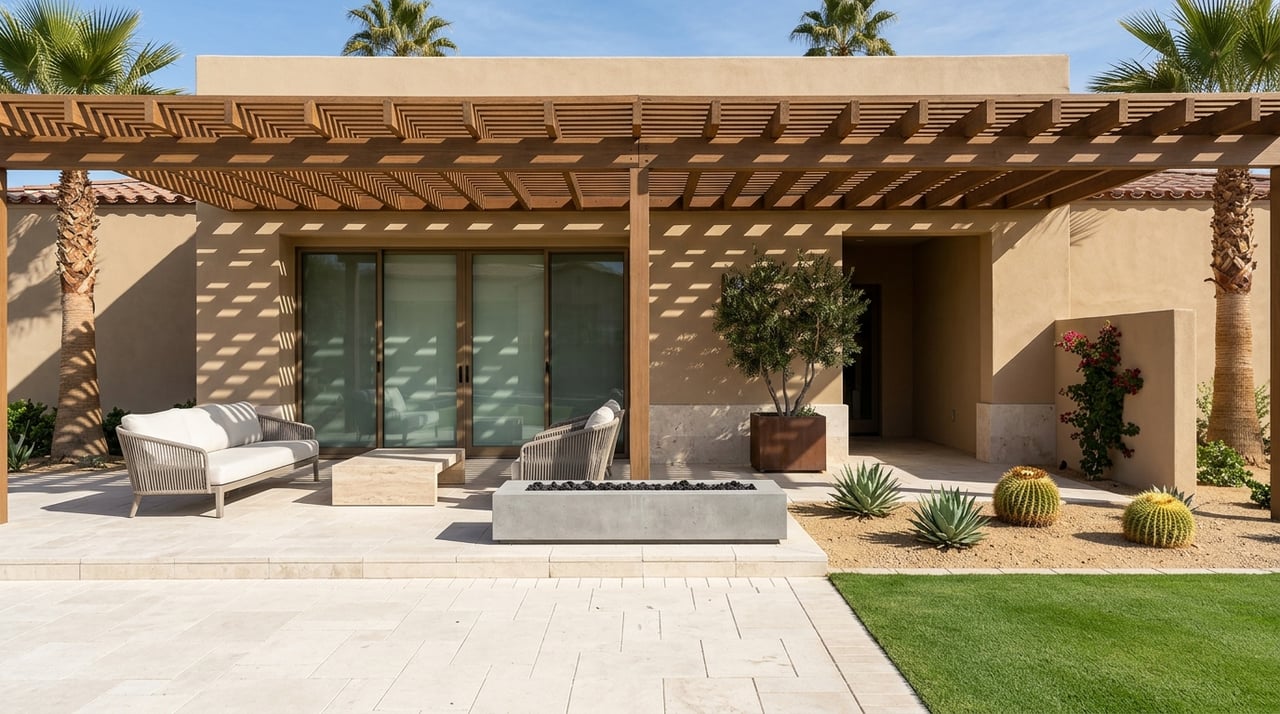
Indian Wells sits in the Coachella Valley and is known for private gated communities, golf and tennis, and luxury amenities. Many owners are seasonal residents who come for sunshine and relaxed living. If you want an effortless second home, you’ll find many communities designed for exactly that experience.
Seasonality and timing
Peak season runs roughly November through April. You will see more showings and vendors are fully staffed, but competition for service appointments can be higher. Summer is hot, and some owners avoid visiting then, which can slow short‑term rental demand and affect viewing schedules. If you want current sales or inventory trends, ask for recent local MLS data or an update sourced from the Coachella Valley association and county records before you make timing decisions.
Choose the right ownership
Common property types
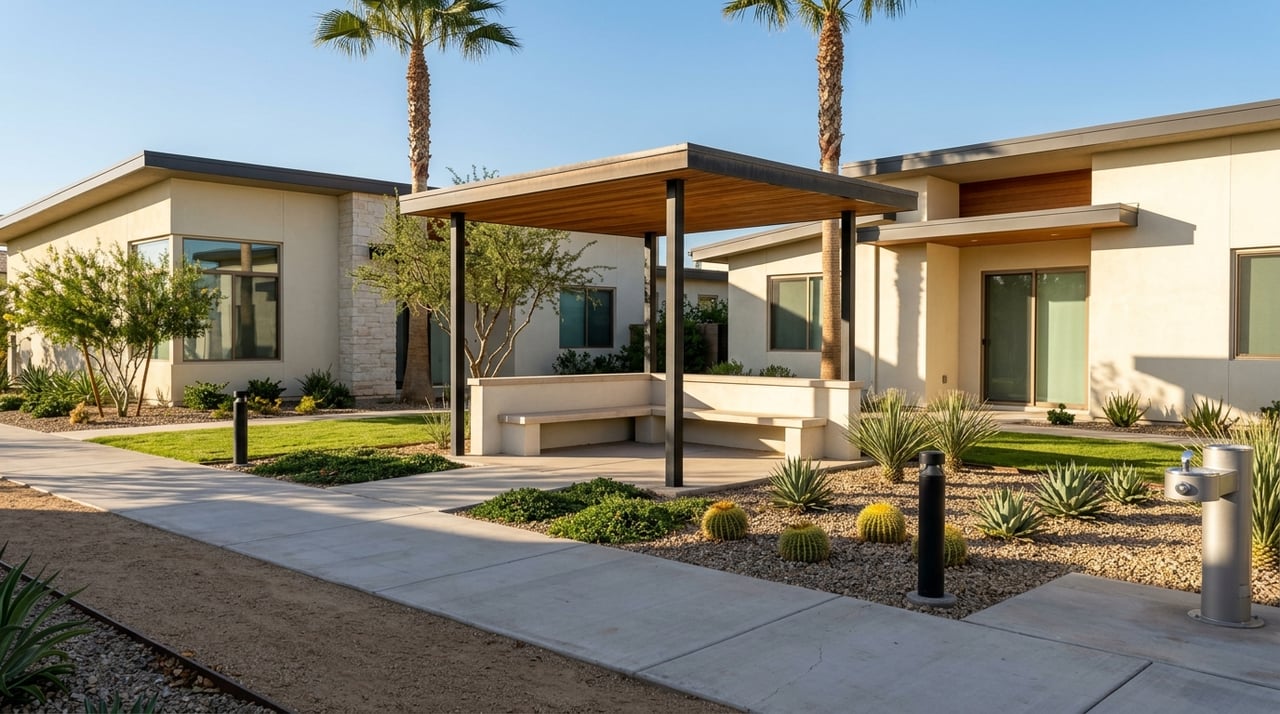
You will find detached homes in gated estates, private country‑club communities, and a range of condos and duplexes. Many developments have homeowners associations, which often cover common areas, security, and amenities. For a lock‑and‑leave plan, communities with strong exterior maintenance and onsite or contracted management can simplify ownership.
What to check in HOAs
California HOAs operate under the Davis‑Stirling Act in the state Civil Code. Always request the full resale packet and review it carefully. If you want to see the governing framework, you can reference the California Civil Code sections for common interest developments on the state’s official site.
Key items to review before you remove contingencies:
- Insurance summary. Clarify what the master policy covers vs. your responsibility, including any exclusions.
- Reserve study and financials. Low reserves can lead to special assessments.
- Rental rules. Confirm whether short‑term rentals are allowed and any registration rules.
- Maintenance scope. Know who handles landscaping, exterior repairs, pool areas, irrigation, and pest control.
- Security measures. Gated access, gate codes, visitor policies, and onsite staff.
- Litigation or assessment history. Pending cases can affect dues and risk.
Practical HOA due‑diligence checklist:
- Request CC&Rs, Bylaws, Rules and recent board minutes.
- Review 3 to 5 years of budgets and the reserve study.
- Confirm the HOA’s hazard and liability coverage, limits, and deductibles.
- Verify HOA manager contact info and whether onsite management is available.
Lock‑and‑leave features to prioritize
Smart systems and security
Choose homes with Wi‑Fi thermostats, smart irrigation, smart locks, cameras, and a monitored alarm. Remote water‑shutoff valves add peace of mind. In gated communities with controlled access, layering your own system creates a strong security posture while you are away.
Desert‑ready construction
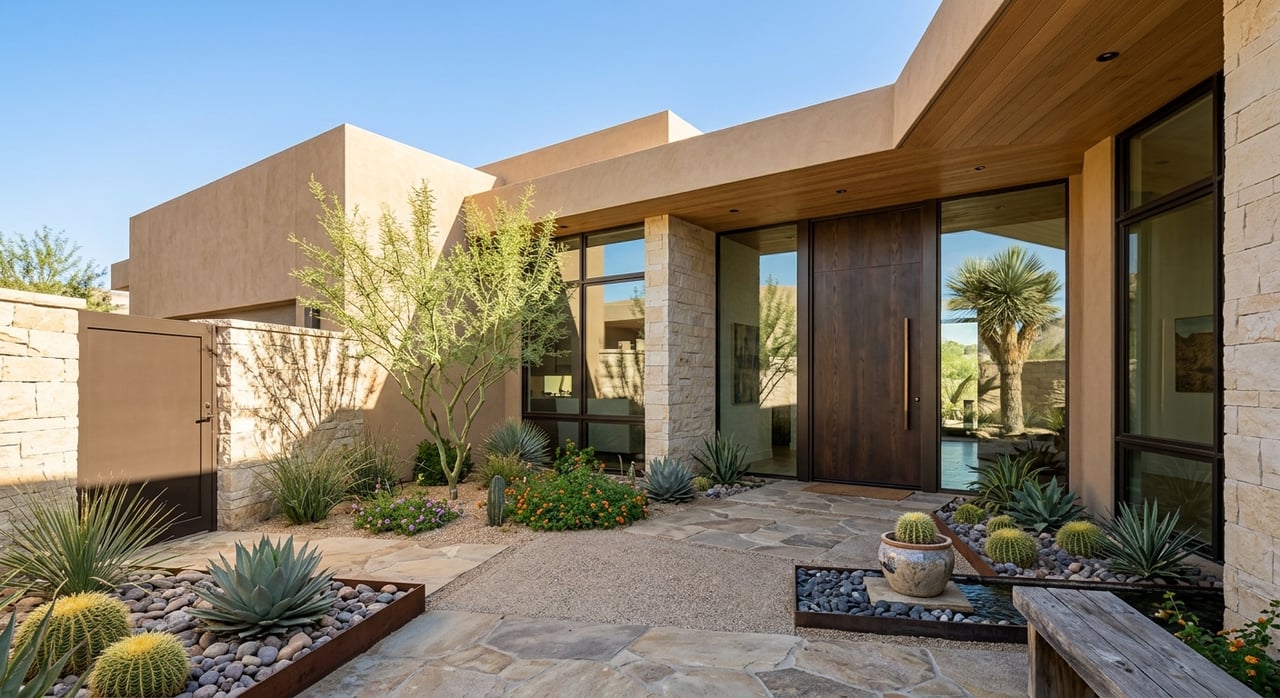
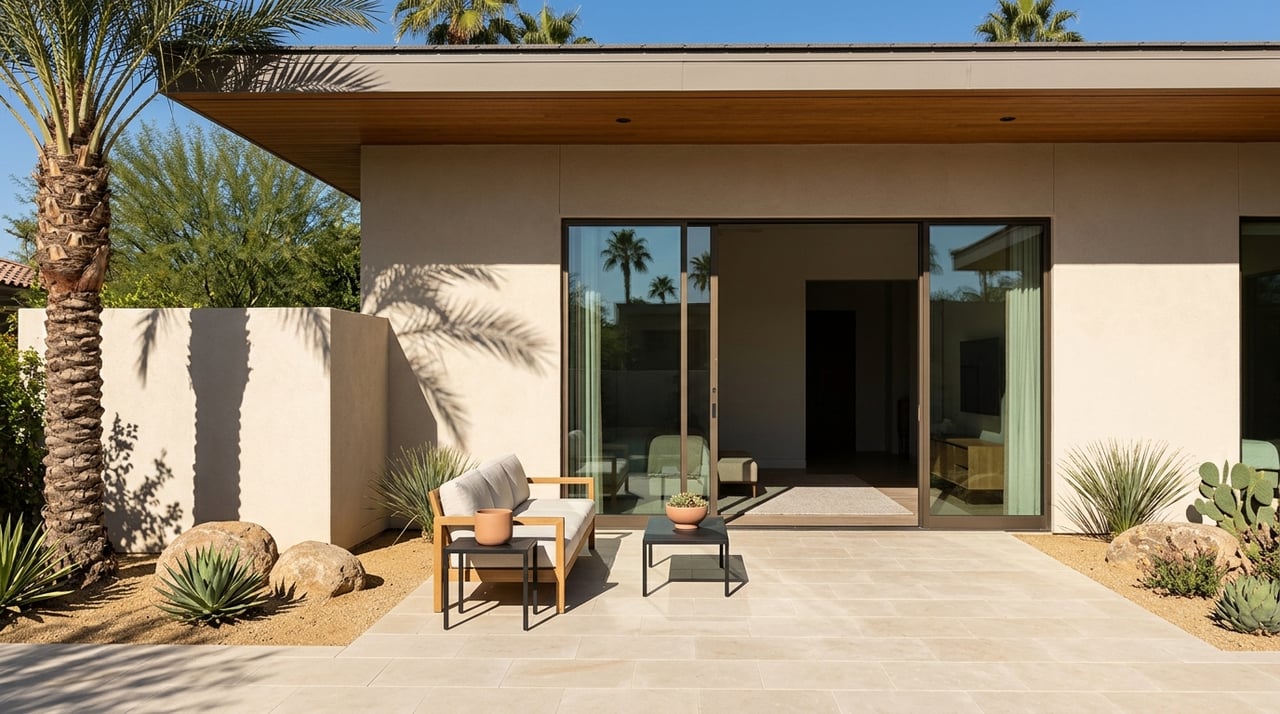
Look for drought‑tolerant landscaping and minimal turf to reduce irrigation risks. Assess roof condition, flashings, and window seals. Check grading and drains to handle occasional monsoon storms. HVAC systems work hard in the desert, so prioritize recent servicing, evidence of maintenance plans, and transferable warranties.
Service contracts that save time
Set up recurring services for landscaping, pool or spa care, HVAC tune‑ups, pest control, and alarm monitoring. Ask vendors about emergency response. Clarify access protocols, vendor parking rules, and hours set by the HOA, and provide gate codes or keypad access as needed.
Renting your home part‑time
Rules and taxes to confirm
If you plan limited rental use, confirm whether your HOA and the City of Indian Wells allow short‑term rentals and what licenses or permits apply. Many desert cities require transient occupancy tax registration for short stays. Keep records of rental income and expenses for tax reporting. For personal advice, consult a CPA who understands second‑home and vacation‑rental rules.
Insurance, taxes, and financing
Insurance for desert homes
Standard homeowners insurance covers fire, theft, and liability, but you may need add‑ons. Earthquake coverage is separate in California and often considered for desert properties. For guidance and comparison points, start with the California Department of Insurance, a consumer resource for coverage basics and shopping tips. Flood risk varies by location, including proximity to arroyos and washes. Check your property’s status using the FEMA Flood Map Service Center to understand whether flood insurance is recommended or required. For wildfire exposure and wind events, you can review general hazard information through CAL FIRE.
Coordinate your individual policy with any HOA master policy so there are no gaps on interior finishes, personal property, loss of use, or loss of rental income if you rent. Obtain quotes from insurers familiar with Riverside County and confirm deductibles and exclusions in writing.
How property taxes work
California property tax is based on your assessed value. After you buy, the county reassesses the home to the purchase price, then applies a base rate near 1 percent plus any local assessments. Some areas include Mello‑Roos or parcel taxes. Your lender will prorate taxes at closing. If you rent the property, expect to handle any applicable transient occupancy taxes per local rules, and consult a tax professional about federal and state income tax treatment.
Financing a second home
Second‑home mortgages often require larger down payments and strong reserves. Many buyers put 10 to 20 percent down, sometimes more, depending on the lender and profile. Rates may be slightly higher than for a primary residence. If your plan relies on frequent short‑term renting, some lenders classify the property as an investment, which can change down payment and terms. For plain‑English mortgage guidance and planning tools, explore the Consumer Financial Protection Bureau’s Owning a Home resources. Cash buyers still benefit from early proof of funds and an appraisal to confirm value.
Closing costs commonly include escrow and title fees, recording, title insurance, the HOA transfer or resale packet, and prorated property taxes and dues. Build these into your budget from the start.
Close from anywhere
Remote closing tools
Out‑of‑area purchases follow the same steps, but you will rely more on technology and scheduling. Use electronic signatures for contracts, mobile notaries for loan documents, and title or escrow providers that support remote signings and e‑recording in Riverside County where available. Video tours and virtual inspections keep you informed between key milestones. Allow extra time for HOA packet delivery, specialty inspections, and any appraisals.
Prevent wire fraud
Wire fraud targets remote buyers. Protect yourself by confirming wiring instructions directly with your escrow or title company by phone using a known number, not one from an email thread. Reputable companies use secure portals and verbal verification protocols. For an overview of best practices, review the American Land Title Association’s consumer resources.
After‑closing checklist
- Schedule a post‑closing walkthrough or a property manager visit within 30 days.
- Start all service contracts on Day 1 and test smart systems.
- Update alarm permits and gate access with the HOA.
- Set up mail forwarding and package handling, and add your home to your travel itinerary with your insurer.
Timeline and local logistics
Many Indian Wells purchases close in 30 to 45 days with financing and faster with cash. The process can stretch if you are coordinating multiple inspectors, waiting for HOA resale documents, or closing during peak season when vendors are busy. A proactive schedule and a local team that handles vendor access and status checks will keep you on track.
Work with a local advisor
The easiest way to make a second home truly lock‑and‑leave is to match the right community to your expectations, verify rules and coverage, and line up a trusted local team for closing and ongoing care. If you want market‑savvy guidance, vendor introductions, and smooth coordination from offer to keys, connect with Bryan Dearden. We help out‑of‑area buyers find the right fit and set up effortless ownership.
FAQs
When is the best time to shop for an Indian Wells second home?
- Peak activity is roughly November through April, so plan ahead for showings and inspections in season, or use virtual tours and flexible timelines in summer.
What HOA documents should second‑home buyers review before closing?
- Ask for the full resale packet, including CC&Rs, Rules, recent board minutes, budget and reserve study, insurance summary, and any notices about upcoming projects or assessments.
What insurance add‑ons should I consider for a desert second home?
- Many owners evaluate earthquake coverage, confirm flood zone status with FEMA, and coordinate interior coverage with any HOA master policy using guidance from the California Department of Insurance.
How can I safely wire funds during a remote closing?
- Call your escrow or title company using a verified number to confirm wiring instructions, use secure portals, and never trust wiring details received solely by email.
Can I rent my Indian Wells home short‑term when I am not using it?
- Possibly, but it depends on your HOA and city rules, and you may need to register and pay transient occupancy taxes, so verify requirements before you buy.
What makes a desert home truly lock‑and‑leave?
- Combine smart systems and a monitored alarm with drought‑tolerant landscaping, well‑maintained HVAC, solid roof and drainage, and reliable service contracts for pool, landscape, pest, and security.