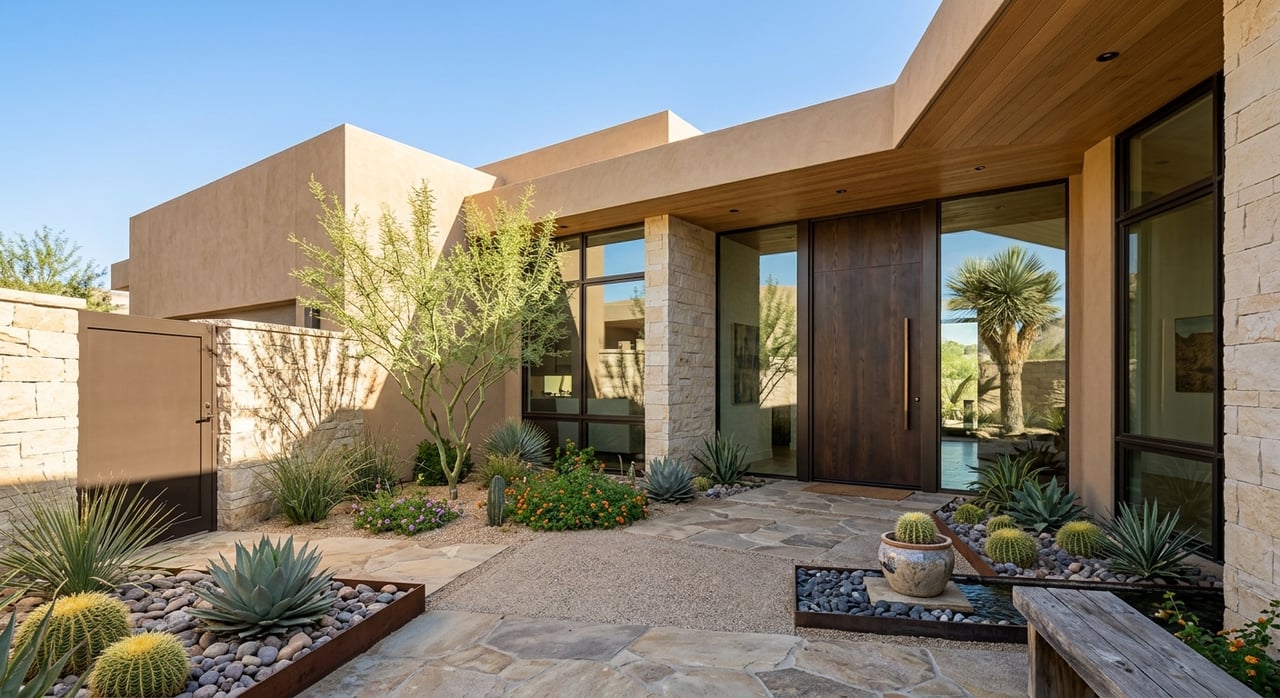
Wondering whether a Palm Springs vacation home is a smart move or an expensive daydream? You are not alone. For many buyers, the idea is easy to love, but the real decision comes down to how often you will use the home, what it will cost to carry, and whether rental rules fit your plan. This guide will help you weigh the lifestyle, budget, and city regulations that matter most so you can decide with confidence. Let’s dive in.
Palm Springs Lifestyle Fit
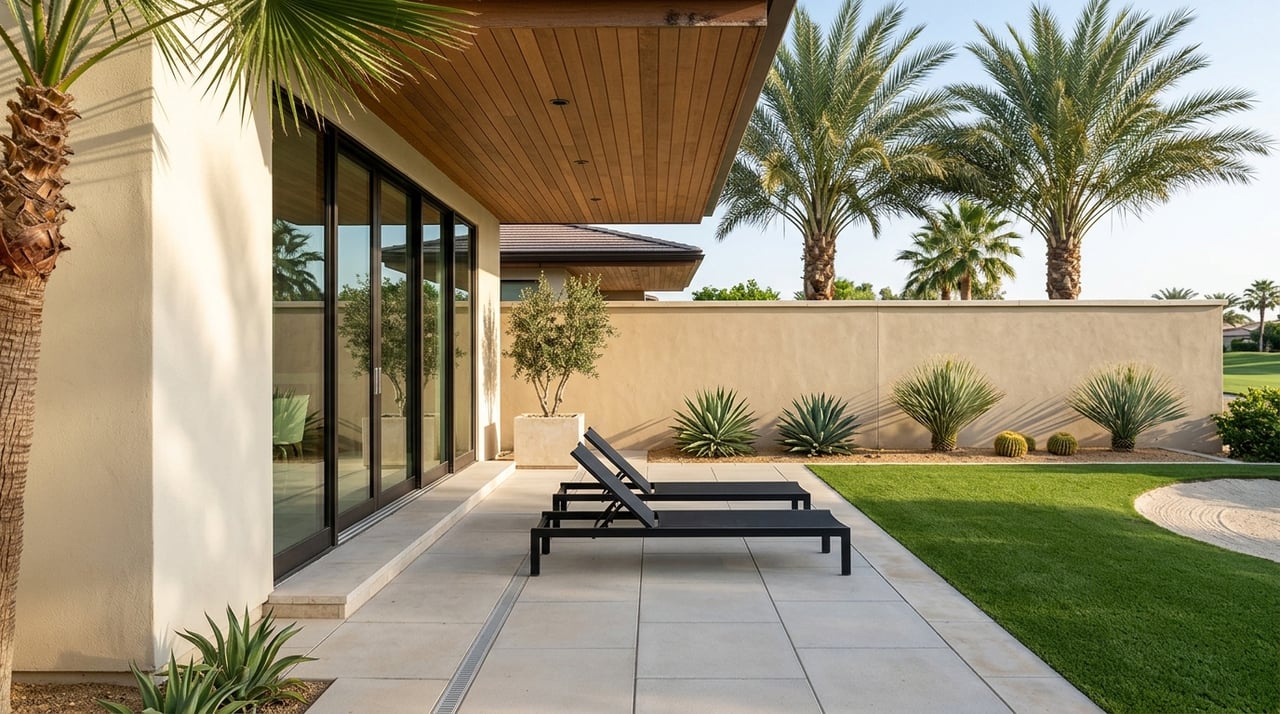
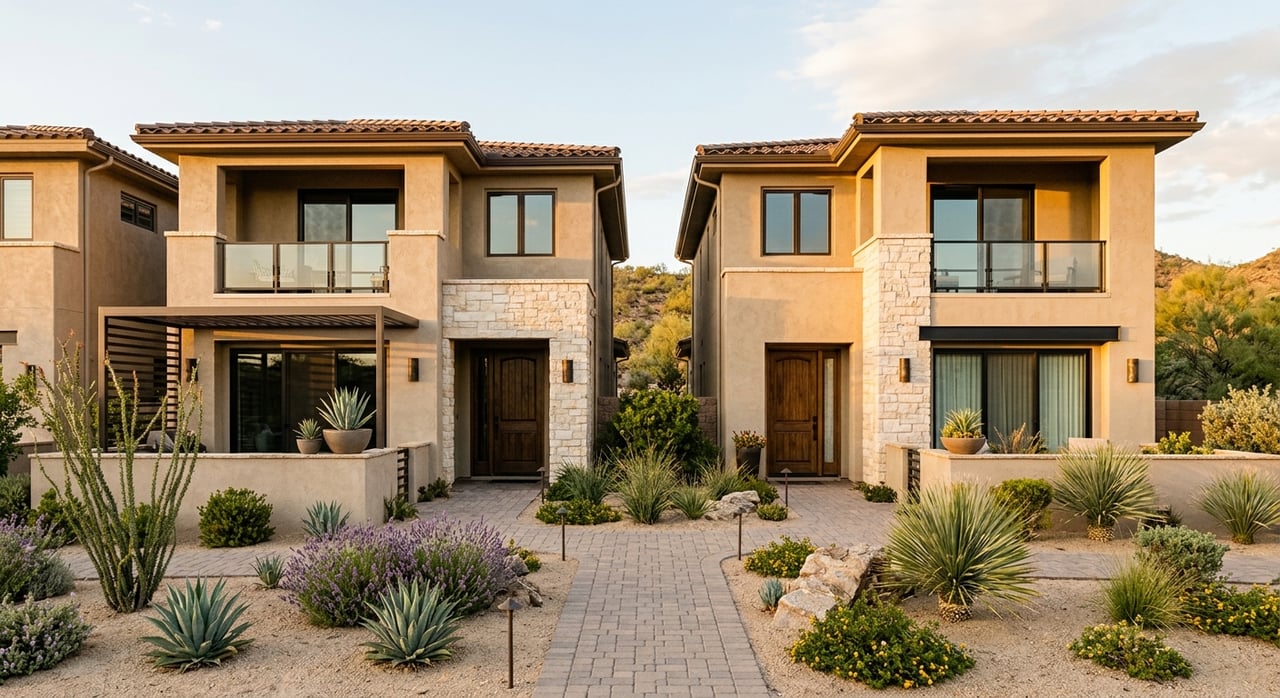
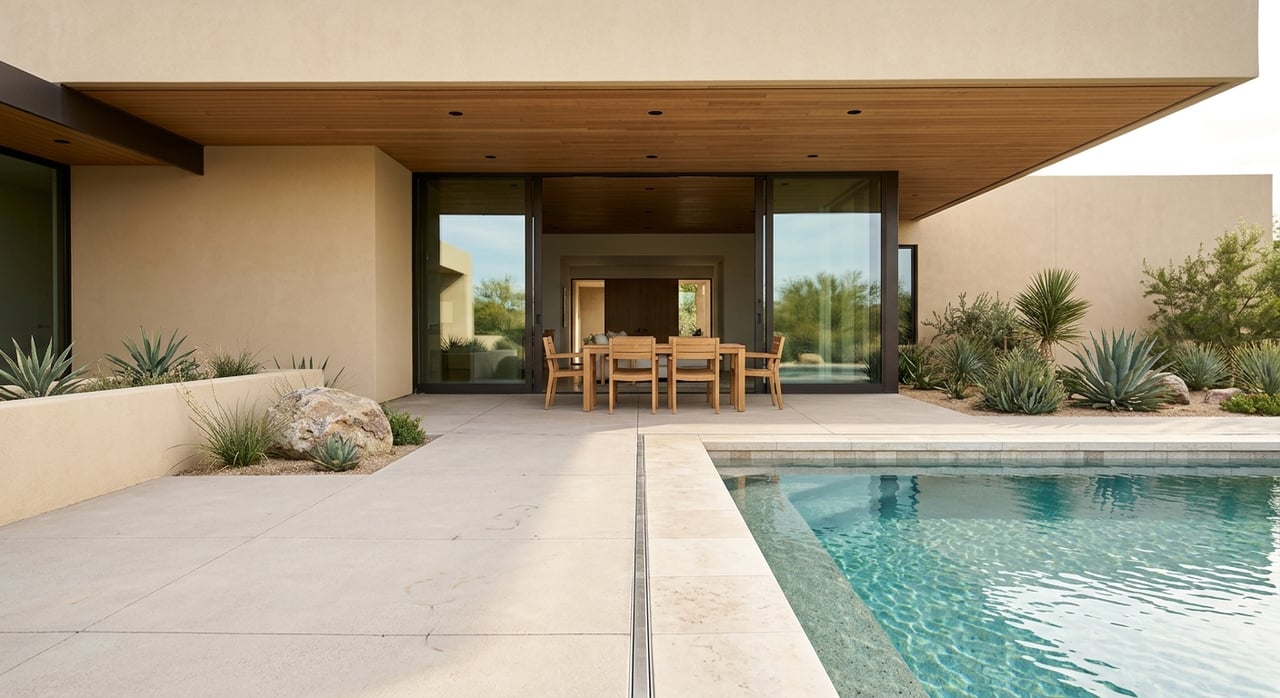
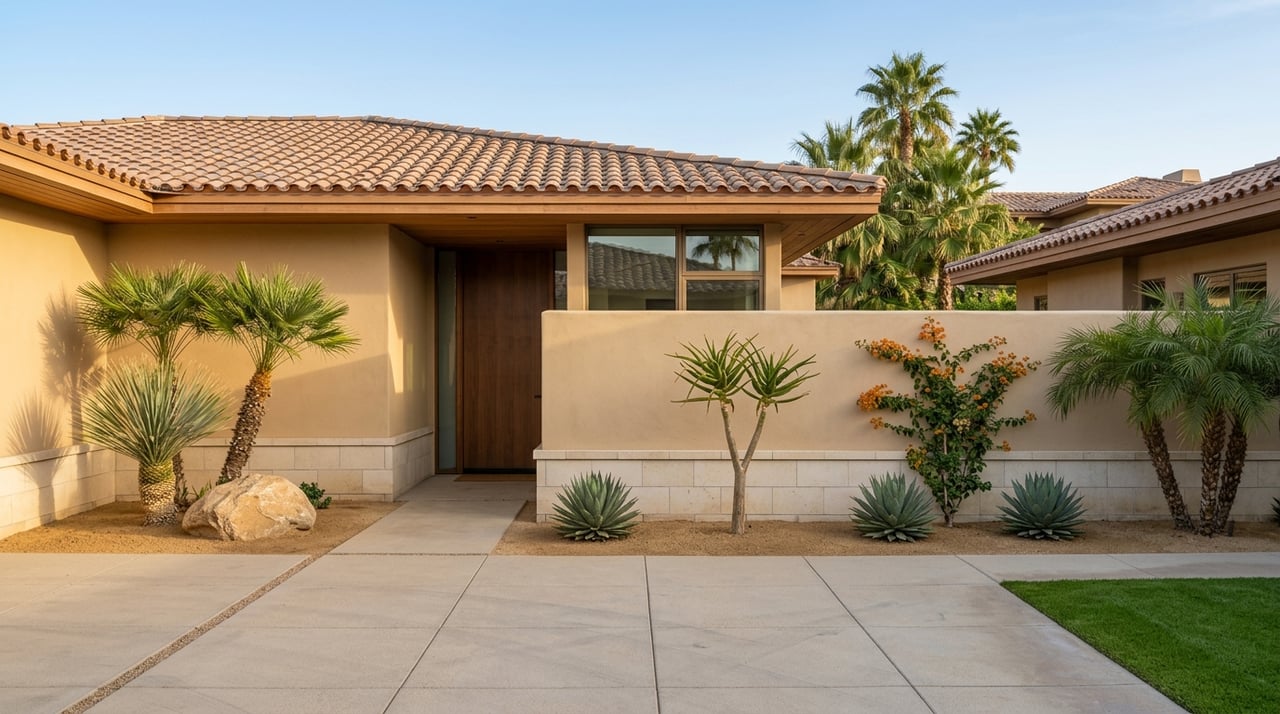
Palm Springs has a strong appeal for second-home buyers who want sunshine, recreation, and an easy desert escape. The area is known for golf, spas, outdoor activities, and recurring arts and festival events throughout the year. If you want a home base for relaxing weekends, seasonal stays, or entertaining guests, that lifestyle can be a major draw.
The climate is also a big part of the decision. Palm Springs sees more than 300 days of sunshine each year, but the weather changes a lot by season. NOAA normals for Palm Springs Regional Airport show an average January high of 70.5 degrees and an average July high of 108.6 degrees, with annual precipitation of 4.61 inches.
In practical terms, that means many owners get the most value from a home they use during winter and the shoulder seasons. Summer can still work for some buyers, especially if you plan around indoor amenities or shorter stays. Still, if your dream is year-round outdoor living, it is important to be realistic about the heat.
Personal Use Comes First
A Palm Springs vacation home tends to make the most sense when it works for your personal use first. That means asking yourself a simple question: will you actually spend enough time here to justify the purchase? If the answer is yes, the home may deliver value far beyond numbers on a spreadsheet.
This is especially true in a market where short-term rental activity is tightly regulated. If you are buying mainly because you want a place to enjoy in cooler months, Palm Springs can be an excellent fit. If you are buying mainly for maximum rental flexibility, you may run into limits that change the math.
Understand the True Cost of Ownership
The purchase price is only one part of the picture. A second home in Palm Springs also comes with ongoing costs that can affect your comfort level as an owner. Before you buy, it helps to build a full carrying-cost estimate rather than focusing only on the mortgage payment.
Key costs to review include:
- Mortgage payment
- Property taxes
- HOA dues, if applicable
- Routine maintenance and repairs
- Landscaping and pool service, if needed
- Utilities
- Insurance
- City compliance costs for rentals, if rentals are part of your plan
California also limits the homeowners’ exemption to a principal place of residence. That exemption reduces taxable value by $7,000, so a typical vacation home will not receive that benefit. For many buyers, this is one more reason to evaluate total ownership costs carefully from the start.
HOA Rules Can Shape Your Options
If the property is in a homeowners association, the HOA can play a major role in what ownership looks like. In California, HOAs make and enforce rules, collect assessments, and operate under governing documents such as CC&Rs. Those rules vary by community, so one neighborhood may allow an arrangement that another does not.
This matters even more if you are considering occasional rentals. California law makes it clear that governing documents matter when it comes to rental and leasing rights. Before you commit to a property, you should review the HOA documents closely to understand what is allowed, what is restricted, and what costs come with ownership.
Palm Springs Rental Rules Matter
Many buyers ask the same question: can I offset costs by renting the home when I am not using it? In Palm Springs, the answer is not as simple as yes or no. The city does not treat vacation homes as unrestricted short-term rental assets.
Palm Springs states that vacation rentals and homesharing are ancillary and secondary uses of residential property. They are limited to single-family dwelling units, and neighborhood applications are returned when a neighborhood has reached the 20% permit cap. That cap alone can affect whether a specific property fits your goals.
The city also limits the number of annual vacation-rental contracts. New permittees are capped at 26 contracts per year. Existing permittees are capped at 32 contracts, with up to four additional third-quarter contracts for existing permittees.
Timing matters too. Buyers cannot advertise or rent the property while an application is pending, and processing can take 30 to 90 days. Palm Springs also makes clear that a Riverside County short-term-rental permit does not satisfy city requirements within Palm Springs city limits.
Compliance Is Ongoing, Not One-Time
If you plan to rent, ownership includes more than getting a permit. Palm Springs requires a monthly transient occupancy tax return even if the property was not rented that month. The city applies an 11.5% transient occupancy tax rate to vacation rentals and agencies, plus a 1% TBID assessment on short-term stays of less than 28 days.
The city also outlines penalties that can include suspension or revocation. Issues can include missing contracts, failing to file or pay transient occupancy tax, or advertising without the required certificate number. In short, the administrative side of a rental property in Palm Springs is real, and buyers should plan for it upfront.
Neighborhood Expectations Still Count
Owning a vacation home also means being mindful of local neighborhood rules and city standards. Palm Springs requires rental homes to register so guests respect neighbors, and the city’s code enforcement materials emphasize property maintenance and nuisance control. This is part of the ownership experience, whether you rent the home or use it only yourself.
Noise rules are another example. The city says sound devices in vacation rentals must stay inside a fully enclosed unit and cannot be audible at the property line. If rental use is part of your plan, these rules are not small details. They shape how the home can operate day to day.
Financing a Vacation Home Is Different
Financing for a second home is not always handled the same way as financing for a primary residence. Fannie Mae’s second-home occupancy rules require the borrower to occupy the property for some portion of the year, keep it as a one-unit property suitable for year-round occupancy, have exclusive control, and not use it as a rental property or timeshare.
Rental income may exist, but it cannot be used to qualify if the loan is being delivered as a second home. That distinction is important. If you are counting on future rental income to help you qualify, you need to understand how the property will be classified before you get too far into the process.
Insurance Can Cost More
Insurance is another area where buyers are sometimes surprised. Second homes can be more expensive to insure because they are occupied less often. Lower occupancy can increase exposure to theft, vandalism, and damage that goes unnoticed for longer periods.
If you plan to rent the property, insurance costs can rise further or require additional coverage. This is one more reason to treat a Palm Springs vacation home as a full ownership decision, not just a lifestyle purchase. The better your budget reflects reality, the easier it is to enjoy the home once you own it.
A Simple Buyer Test
If you are still deciding whether a Palm Springs vacation home is right for you, this quick filter can help:
- Good fit: You want a personal-use second home that you will genuinely use during cooler months.
- Good fit: You can comfortably carry the home without depending on short-term rental income.
- Good fit: You are willing to review HOA rules, permit status, and city requirements before buying.
- Less ideal fit: Your main goal is maximum rental flexibility and frequent short-term rental use.
- Less ideal fit: You need rental income to make the purchase financially workable.
In this market, a vacation home usually works best when it succeeds as a personal retreat first and only secondarily as a rental opportunity. That mindset tends to lead to better decisions and fewer surprises.
Due Diligence Before You Buy
The most important next step is careful due diligence on the exact property and neighborhood you are considering. In Palm Springs, small details can have a big impact on how the home fits your plan. A property that looks ideal online may come with permit limits, HOA restrictions, or carrying costs that change the picture.
Focus your review on these items:
- Neighborhood vacation-rental permit status
- HOA documents and leasing restrictions
- Financing classification as a second home
- Full carrying costs, including insurance and maintenance
- City rules for registration, taxes, and operating requirements
When you approach the decision this way, you are far more likely to buy a home that supports your lifestyle instead of creating friction.
A Palm Springs vacation home can be a great choice if you want a seasonal desert retreat, understand the true cost of ownership, and view rental income as secondary rather than essential. If you want clear, local guidance on neighborhoods, property types, and the questions to ask before you buy, Bryan Dearden can help you evaluate your options with practical, honest advice.
FAQs
Is a Palm Springs vacation home best for year-round use?
- Palm Springs can work year-round, but many buyers find it especially appealing in winter and the shoulder seasons because average summer highs are much hotter.
Can you use a Palm Springs vacation home as a short-term rental?
- Possibly, but Palm Springs has strict city rules, permit caps, contract limits, and ongoing tax and compliance requirements that can limit rental use.
Do Palm Springs HOAs affect vacation home ownership?
- Yes. HOA rules and governing documents can affect leasing rights, fees, and day-to-day ownership expectations, so they should be reviewed before you buy.
Does a Palm Springs vacation home get the California homeowners’ exemption?
- Usually no. California limits that exemption to a principal place of residence, so a typical vacation home does not qualify.
Is financing a Palm Springs second home different from a primary home?
- Yes. Second-home financing can involve different occupancy rules, and rental income generally cannot be used to qualify if the loan is classified as a second home.
What should you check before buying a Palm Springs vacation home?
- Review the neighborhood permit status, HOA documents, financing classification, insurance outlook, and full carrying costs before making an offer.